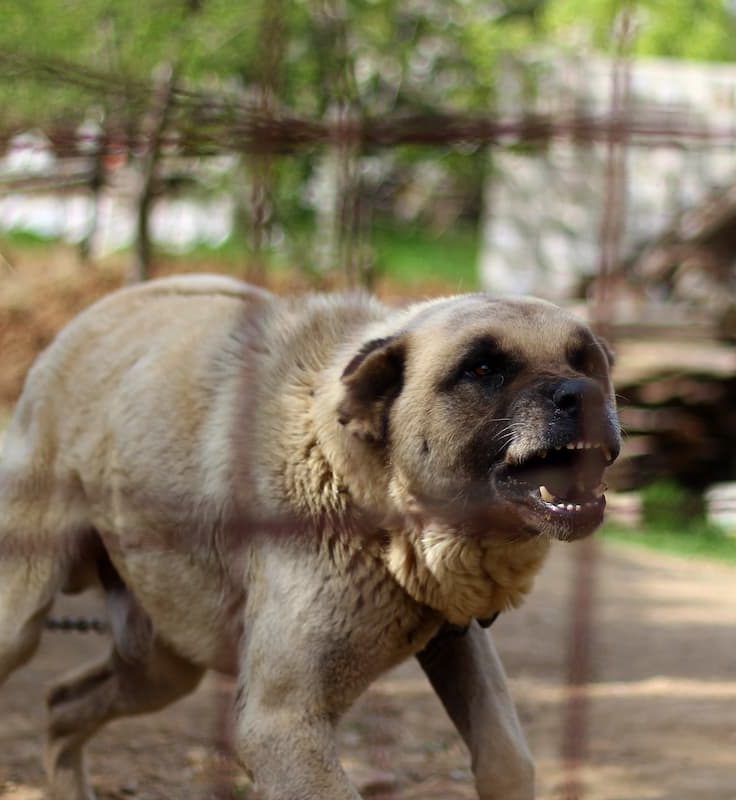
What to Do When Another Dog Attacks Yours in Georgia
Most daily walks are uneventful. Then, a loose dog comes around a corner, or a neighbor loses hold of a leash, and suddenly your dog is in a fight. These incidents can unfold quickly and injure both dogs and the people trying to help. Owners and professional walkers who step in to separate the animals may end up with bites, sprains, and fall injuries.
In Georgia, these incidents raise practical questions that most people never consider until something happens. Who pays the veterinary bills? What about medical expenses for an injured handler? Does it matter if the other dog was off leash? A Fayetteville dog bite injury lawyer can help explain the legal considerations involved, but knowing how to respond in the moment, document what happened, and seek appropriate medical or veterinary care afterward can also make a difficult situation easier to manage.
How to Break Up a Dog Fight Without Getting Hurt
Your instinct may be to grab your dog by the collar. However, that can put your hands dangerously close to an animal’s mouth. Dogs in a fight are highly aroused and may bite whatever comes near them, including their own owners.
Safer approaches to consider include:
- Make a loud noise. A sharp shout, whistle, or air horn may interrupt the dogs long enough to create an opportunity to separate them.
- Use a barrier. If possible, place an object such as a board, umbrella, or trash can lid between the dogs to limit contact without reaching between them.
- Try water or a suitable deterrent. Water or a dog-safe deterrent spray may interrupt some fights, although neither method is guaranteed to work.
- Use physical separation only as a last resort. If two capable adults are present, each may be able to lift one dog’s hind legs and move backward to separate the animals. However, this technique carries a risk of redirected bites and may worsen injuries if a dog has a firm bite hold. Try barriers or other ways to interrupt the fight first.
- Keep your hands away from heads and collars. Even a normally gentle dog may bite when frightened, hurt, or overstimulated.
Once the dogs are apart, keep them separated and out of sight of each other. A fight can restart if the animals regain access to one another. Avoid assuming that either dog is uninjured simply because it walks away normally.
Prevention Stats Before the Fight
Some confrontations can be avoided by recognizing early warning signs. A dog approaching with a stiff body, fixed stare, raised hackles, or lowered head may be uncomfortable or preparing to react. Crossing the street, turning around, or putting a parked car between your dog and the other animal can be sensible precautions.
A few habits can also reduce the risk of an encounter escalating:
- Use a sturdy, non-retractable leash and well-fitted equipment.
- Ask the other owner before allowing dogs to greet each other on leash.
- Avoid routes where loose dogs are a recurring concern.
- Consider carrying a small umbrella or suitable deterrent as a precaution.
Even careful owners cannot prevent every encounter. The goal is to recognize potential problems early and create distance whenever possible.
Who’s Responsible When Another Dog Attacks in Georgia
Georgia’s dog bite statute, O.C.G.A. § 51-2-7, addresses liability for injuries caused by vicious or dangerous animals. Depending on the circumstances, an owner or keeper may be responsible when a dog’s dangerous propensity and the owner’s knowledge or management of the animal satisfy the statute’s requirements.
One important detail is that violating a local restraint ordinance may help establish a dog’s vicious or dangerous propensity under Georgia law, even if there is no known history of biting. However, an ordinance violation does not automatically establish liability. The circumstances of the incident, the owner’s knowledge of the relevant conditions, careless management, and whether the injured person provoked the incident can all matter.
The other owner may dispute responsibility, particularly if someone was injured while intervening in the fight. The facts surrounding the encounter, including how it began and what each person did, can be important when determining whether a claim is available.
Vet Bills vs Personal Injuries
An attack on a dog and an injury to its owner involve different types of potential damages under Georgia law.
Your dog’s injuries. Georgia law generally treats pets as personal property. In 2016, the Georgia Supreme Court recognized that recoverable damages for a negligently injured pet may include reasonable veterinary expenses, along with the animal’s fair market value and other legally recoverable costs. The amount available depends on the circumstances and applicable law. Damages for sentimental value alone are generally not recoverable.
Your own injuries. If you were bitten, knocked down, or hurt while separating the dogs, you may have a personal injury claim. Potential damages can include medical expenses, lost wages, and pain and suffering, depending on the facts. Bites to the hands deserve particular attention because they can damage tendons and nerves and carry a risk of infection.
Depending on the circumstances and available coverage, the other dog’s owner’s homeowners or renters insurance may help cover eligible losses. Georgia generally has a two-year statute of limitations for personal injury claims and a four-year period for many property damage claims. The applicable deadline can depend on the nature of the claim and other legal factors, so it is important not to assume every case follows the same timeline.
What to Do Right After the Incident
Once everyone is safe, a few practical steps can help protect your health, your dog’s health, and any potential claim.
- Get the other owner’s information. Record their name, phone number, and address, along with a description of their dog. If the owner is absent, note where the dog came from and which direction it went.
- Ask for vaccination information. Request the other dog’s rabies vaccination details and share them with your veterinarian or healthcare provider. If you or your dog has been bitten, seek prompt professional guidance about wound care and whether rabies-related precautions are needed.
- Get medical care for yourself. Even a small puncture wound can be deeper than it appears. Seek professional advice about bites and other injuries.
- Have your dog examined by a veterinarian. Bite wounds hidden under fur can be easy to miss, and some injuries may not be immediately apparent.
- Report the incident. Contact local animal control or the appropriate public health authority. A report creates a record and may help officials assess whether follow-up action is needed.
- Document what happened. Photograph injuries, the location, and any damaged equipment. Collect witness contact information and check whether nearby security cameras may have captured the incident.
- Keep receipts and records. Save veterinary bills, medical expenses, prescriptions, and documentation of missed work.
If an insurance company contacts you, keep records of your communications and review requests carefully. If liability or the extent of your injuries is disputed, consider seeking advice about your options before providing a recorded statement or accepting a settlement.
For professional dog walkers, an incident involving a client’s dog can raise additional questions about who was handling each animal and which insurance policies may apply. Clear client intake forms, documented handling procedures, and appropriate business liability coverage can help establish responsibilities and make incidents easier to address.
Walk Prepared, Act Fast, and Write it Down
Dog fights on walks are frightening, but preparation can help reduce the risk of injury and make the aftermath easier to manage. Learn safer ways to respond, watch for warning signs, and seek medical or veterinary attention when needed. In Georgia, leash ordinances, the circumstances of the encounter, and thorough documentation can all matter when determining responsibility for injuries and expenses. Taking time to record the facts after an incident can help everyone involved understand what happened and what steps to take next.